Root Canal Therapy in Sacramento, CA
Root canal therapy is an endodontic procedure utilized to treat infection or inflammation within the innermost portion of a tooth. At Jeff L. DiMariano, DDS in Sacramento, CA, this treatment may be recommended when the pulp becomes damaged due to decay, trauma, or bacterial involvement. The pulp contains nerves, blood vessels, and connective tissues that contribute to tooth development.
Why Root Canal Therapy May Be Recommended
Several dental conditions can affect the health of the pulp and lead to the need for endodontic treatment.
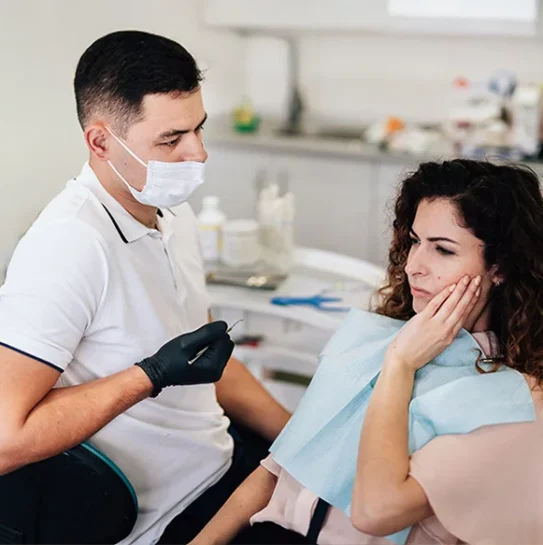
Persistent Tooth Pain: Ongoing discomfort, especially when chewing or applying pressure, may indicate inflammation or infection affecting the inner portion of a tooth.
Advanced Tooth Decay: When decay extends beyond the outer protective layers and reaches the pulp, treatment may be necessary to remove infected tissue.
Tooth Fractures or Cracks: Damage to the tooth can create pathways that allow bacteria to reach internal structures and contribute to infection.
Repeated Dental Treatment: Teeth that have undergone multiple restorative procedures may experience irritation or compromise of the pulp over time.
Root canal therapy is often considered when the objective is to address infection while maintaining the natural tooth whenever possible.
Signs That May Suggest Internal Tooth Infection
Inflammation or infection affecting the pulp can produce a variety of symptoms. Common findings may include prolonged sensitivity to hot or cold foods, discomfort while biting, swelling in nearby tissues, or tooth pain that continues without improvement.
Some teeth may show limited symptoms even when infection is present. For this reason, diagnostic imaging and a comprehensive examination are important components of the evaluation process. Many individuals seeking root canal in Sacramento, CA are attempting to determine whether symptoms originate from the pulp or another dental condition. Clinical findings help guide treatment recommendations.
Retaining Natural Tooth Structure When Appropriate
When bacterial involvement extends into the pulp, treatment focuses on removing diseased tissue while maintaining as much healthy tooth structure as possible. Root canal therapy is commonly considered when extraction is not the preferred treatment option, and the remaining tooth can continue to function after restoration.
Maintaining natural teeth may contribute to bite stability, chewing efficiency, and overall oral function. Treatment recommendations are based on the condition of the tooth, surrounding structures, and the extent of infection identified during evaluation.
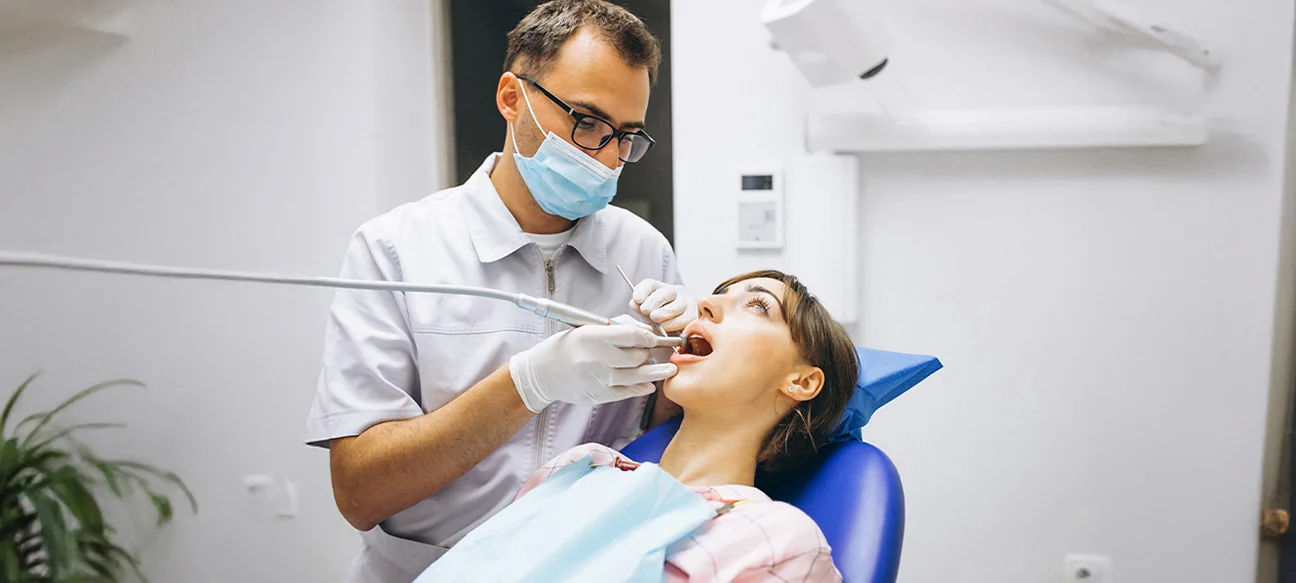
How Root Canal Therapy Is Performed
Root canal treatment includes a series of carefully planned steps intended to address infection within the tooth.
Examination and Imaging: A clinical evaluation and dental radiographs are used to assess the condition of the tooth and surrounding structures.
Local Anesthesia: Anesthetic medication is administered to help maintain comfort throughout the procedure.
Access To Pulp Chamber: A small opening is created to allow access to the internal tooth structure.
Removal Of Affected Tissue: Infected or inflamed pulp tissue is extracted, and the canals inside the tooth are cleaned and disinfected.
Filling And Sealing: The cleaned canals are filled using a biocompatible material to help prevent bacterial re-entry.
Final Restoration: Depending upon the condition of the tooth, a crown or other restoration may be recommended to help protect and support the remaining structure.
Recovery And Long-Term Function
Following treatment, some patients may experience temporary sensitivity or mild discomfort. Post-treatment instructions are provided to help support healing and recovery.
Root canal therapy is intended to manage infection within the tooth and allow the treated tooth to remain functional when clinically appropriate. At a trusted dentist in Sacramento, patients are guided through care plans that support healing and long-term preservation of the treated tooth. With regular oral hygiene practices and consistent dental examinations, many treated teeth continue to function for years after treatment.
Follow-Up Care And Ongoing Monitoring
Routine dental visits remain important after root canal treatment. Follow-up evaluations allow the treated tooth and surrounding tissues to be monitored over time.
In many cases, a permanent restoration is placed after treatment to help protect the remaining tooth structure. Regular brushing, flossing, and professional dental care continue to play important parts in maintaining oral health. Questions regarding maintenance and long-term monitoring are common following endodontic treatment, and ongoing evaluations help identify concerns early when intervention may be needed.
Frequently Asked Questions
Local anesthesia is typically used during treatment to help maintain comfort. Individual experiences vary depending on the condition being treated and personal factors.
Treatment length depends on the tooth involved, canal anatomy, and the extent of infection. Some cases may be completed during one visit, while others require multiple appointments.
Yes. If a crack affects the pulp tissue inside the tooth, endodontic treatment may be recommended as part of the overall treatment plan.
In certain situations, root canal therapy may allow a tooth to remain functional rather than being removed. Suitability depends upon the condition of the tooth and surrounding structures.
We remove the infected or inflamed tissue from inside the tooth, clean and disinfect the inner canal, then fill and seal it to prevent further infection. Most teeth are then topped with a crown for long-term protection.
This is probably the most common misconception we hear. The procedure itself is performed under local anesthesia, so you shouldn't feel pain during treatment, and most patients say it's no more uncomfortable than getting a filling. It's actually the infection causing pain beforehand, not the treatment.
Signs include lingering tooth pain, sensitivity to hot or cold that doesn't go away quickly, swelling near a tooth, or darkening of the tooth itself. Sometimes there are no symptoms and we catch it on an X-ray during a routine exam.
The infection inside the tooth doesn't resolve on its own. Left untreated, it can spread to the surrounding bone, cause an abscess, and eventually lead to losing the tooth entirely. Treating it early almost always means a simpler procedure.
Most root canals take one to two appointments, each lasting roughly 60 to 90 minutes depending on the tooth and how complex the canal structure is. We'll give you a clearer estimate after evaluating your specific tooth.
Whenever possible, we recommend saving the natural tooth with a root canal rather than extracting it. Your own tooth still functions best for chewing and keeps your bite aligned, and extraction often leads to needing a bridge or implant later anyway.
Most people return to normal activities the next day. Mild soreness or tenderness around the area is common for a few days and typically responds well to over-the-counter pain relief.
In most cases, yes, especially for back teeth that handle significant chewing force. The tooth becomes more brittle after treatment, and a crown protects it from cracking under everyday pressure.
It's uncommon but possible if new decay or a new infection develops, or if the original seal becomes compromised over time. Keeping up with regular checkups helps us catch any issues early.
Tooth pain tends to come on suddenly, and people want fast, reliable care close to home. We keep flexible scheduling for situations like this, so you're not stuck waiting in pain longer than necessary.
Contact Us Today!
Root canal treatment is used for treating infection or inflammation affecting the pulp while maintaining natural tooth structure whenever possible. If you are experiencing persistent tooth discomfort or have concerns about the health of a tooth, contact Jeff L. DiMariano, DDS in Sacramento, CA, to schedule an evaluation. A clinical examination can help determine the cause of symptoms and identify appropriate treatment options.