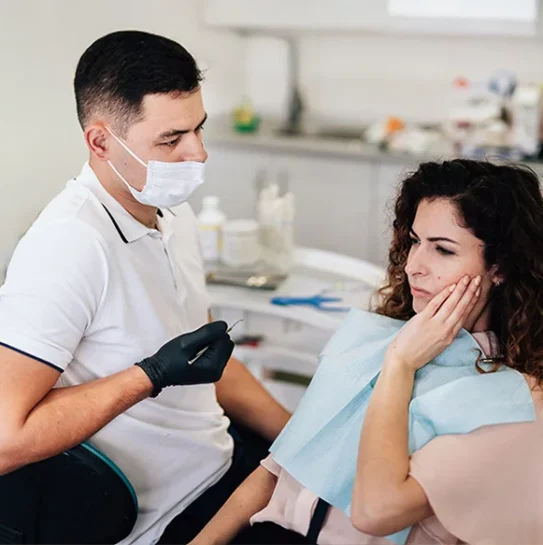
Oral Cancer Screenings in Sacramento, CA
Changes affecting the soft tissues of the mouth are not always visible or noticeable without a professional examination. Routine oral cancer evaluations are performed to assess areas such as the lips, tongue, cheeks, palate, floor of the mouth, and throat for findings that may require closer attention. These examinations are incorporated into dental visits because some conditions can develop gradually before obvious symptoms appear.
An oral cancer evaluation focuses on identifying unusual tissue characteristics that may warrant additional investigation. Detecting abnormalities at an earlier stage can assist healthcare providers in determining appropriate next steps and recommendations.
Who Should Get Oral Cancer Screenings?
Oral cancer examinations in Sacramento, CA are recommended for adults regardless of whether they smoke, consume alcohol, or have other recognized risk factors. This recommendation exists because oral cancer may develop in individuals with no known risk factors. Including these evaluations as part of routine dental visits provides an opportunity to observe findings over time and compare any differences that may arise.
The frequency of examinations depends on medical history, lifestyle factors, and individual risk considerations. In many cases, annual screening is recommended. If you notice persistent sores, difficulty swallowing, unusual swelling, or visible changes affecting oral tissues, scheduling an examination is advisable so the area can be assessed appropriately.
Signs That May Require Further Evaluation
Variations in the appearance or texture of oral tissues can occur for many reasons. While many findings are harmless, persistent sores, unexplained thickening, unusual discoloration, recurring irritation, or difficulty swallowing should not be ignored. Professional assessment helps determine whether these findings represent temporary irritation or require additional investigation.
What Dentists Look For During Screenings
During the examination, attention is given to areas where tissue abnormalities are most likely to occur. The dentist in Sacramento assesses structures throughout the mouth and throat for irregular surface changes, unusual growths, asymmetry, or other findings that differ from surrounding tissues. Individuals seeking oral cancer screening in Sacramento, CA often appreciate that this evaluation can be incorporated into routine preventive appointments.
The Importance Of Ongoing Monitoring
Certain findings may remain stable over time, while others can change slowly between dental visits. Comparing current observations with previous examinations provides valuable information and may help determine whether additional assessment is appropriate. Individuals from Arden Fair, Midtown, Arden-Arcade, Cal Expo, and Bushy Lake frequently include these evaluations as part of their regular preventive dental visits.
How Are Oral Cancer Screenings Done?
During an oral cancer evaluation at Jeff L. DiMariano, DDS, the dentist carefully examines the lips, tongue, cheeks, floor of the mouth, palate, throat, and surrounding tissues. The goal is to identify areas that appear different from normal tissue patterns. Findings such as discoloration, unusual growths, persistent sores, or tissue irregularities may require closer observation.
Additional assessment methods may occasionally be used to obtain more information about a specific area. The examination itself is non-invasive and generally requires only a few minutes. If a finding requires further investigation, additional testing or referral may be recommended.
What Should You Expect from An Oral Cancer Screening
Oral cancer evaluations are generally incorporated into regular dental appointments and usually require very little additional time. No special preparation is necessary. If an area appears unusual, additional assessment methods may be recommended to gather more information before determining the next course of action. Knowing what exactly to expect during the examination can help individuals feel informed and comfortable during preventive visits.
Benefits Of Oral Cancer Screenings
Regular oral cancer evaluations provide several important advantages:
Earlier Identification: Examinations may reveal unusual findings before noticeable symptoms develop.
Routine Observation: Periodic evaluations allow oral tissues to be compared over time for changes that may warrant further attention.
Support for Preventive Care: These assessments contribute to a broader approach to maintaining the health of the mouth and surrounding tissues.
Convenience: The examination is brief, non-invasive, and can often be completed during a routine dental appointment.
Why Patients Choose Jeff L. DiMariano, DDS
Understanding the purpose of oral cancer evaluations allows individuals to make informed decisions regarding preventive dental services. At our practice, a trusted dentist near you incorporates these examinations into appropriate preventive visits and discusses any findings in a clear and straightforward manner. Recommendations are based on clinical observations and individual needs rather than a one-size-fits-all approach.
Frequently Asked Questions
Possible signs include persistent sores, red or white patches, unexplained lumps, tissue thickening, difficulty swallowing, or changes in the appearance of oral tissues. These findings should be evaluated by a dental professional.
No. Oral cancer evaluations are non-invasive and are generally completed without discomfort.
Many adults receive an oral cancer evaluation during routine dental visits. The recommended frequency depends on individual risk factors and health history.
In some cases, examinations may identify unusual findings before noticeable symptoms develop, allowing additional evaluation when appropriate.
I visually and physically examine your lips, tongue, cheeks, gums, and the floor and roof of your mouth for any unusual sores, lumps, or discoloration. The screening is quick, painless, and built right into your routine checkup. I'll flag anything that looks like it needs a closer look or follow-up.
I include an oral cancer screening as part of every routine exam, typically every six months, since early detection makes a significant difference in treatment outcomes. Patients with risk factors like tobacco or heavy alcohol use may benefit from extra attentiveness at each visit. It only takes a couple of minutes but offers real peace of mind.
Warning signs can include a sore that doesn't heal within two weeks, unexplained lumps or thickened patches, persistent numbness, or white or red patches inside the mouth. These signs don't always mean cancer, but they're worth having checked promptly. I take any unusual finding seriously and will guide you on next steps.
Not at all — it's a painless visual and tactile exam that typically takes just a few minutes and is included as part of your regular checkup. There's no special preparation needed on your end. Most patients barely notice it happening alongside their normal exam.
Risk increases with tobacco use, in any form, heavy alcohol consumption, prolonged sun exposure to the lips, and certain strains of HPV. That said, oral cancer can occur in people without any of these risk factors too. That's exactly why I screen every patient at every visit, regardless of their individual risk level.
If I notice anything concerning, like a sore that hasn't healed or an unusual patch, I'll typically recommend monitoring it for a short period or refer you for a biopsy if it seems warranted. Most findings turn out to be benign, but getting it properly evaluated is always the right move. I'll walk you through exactly what the next steps look like.
Yes, that's the whole point of routine screening, since early-stage oral cancer often doesn't cause noticeable symptoms until it has progressed further. Catching it early significantly improves treatment outcomes and options. It's one of the most valuable few minutes of your dental visit.
I include an oral cancer screening as a standard part of every routine exam, so you don't need to request it separately. It's simply part of how I approach comprehensive care at every visit. If you'd like to know more about what I'm checking for, I'm always happy to explain during your appointment.
Since it's part of a standard dental exam, oral cancer screenings are typically included without any separate or additional cost. My front desk team can clarify exactly what your specific plan covers if you have questions. It's one of the simplest, most cost-effective preventive steps you can take.
Not every quick checkup gives this step the attention it deserves, but as your dentist in Sacramento, CA, I make it a consistent part of every visit, not an afterthought. Building a long-term relationship with one provider also means I'm more likely to notice subtle changes over time. That kind of consistency genuinely matters when it comes to early detection.
Contact Us Today!
Regular evaluation of the oral tissues is an important part of maintaining overall dental health. If it has been some time since your last examination or if you have noticed changes within your mouth that concern you, scheduling a dental visit can provide an opportunity for professional assessment.
Our team provides preventive dental services that include oral tissue evaluations when clinically appropriate and can discuss any findings that may require additional attention.