Dental Crowns in Sacramento, CA
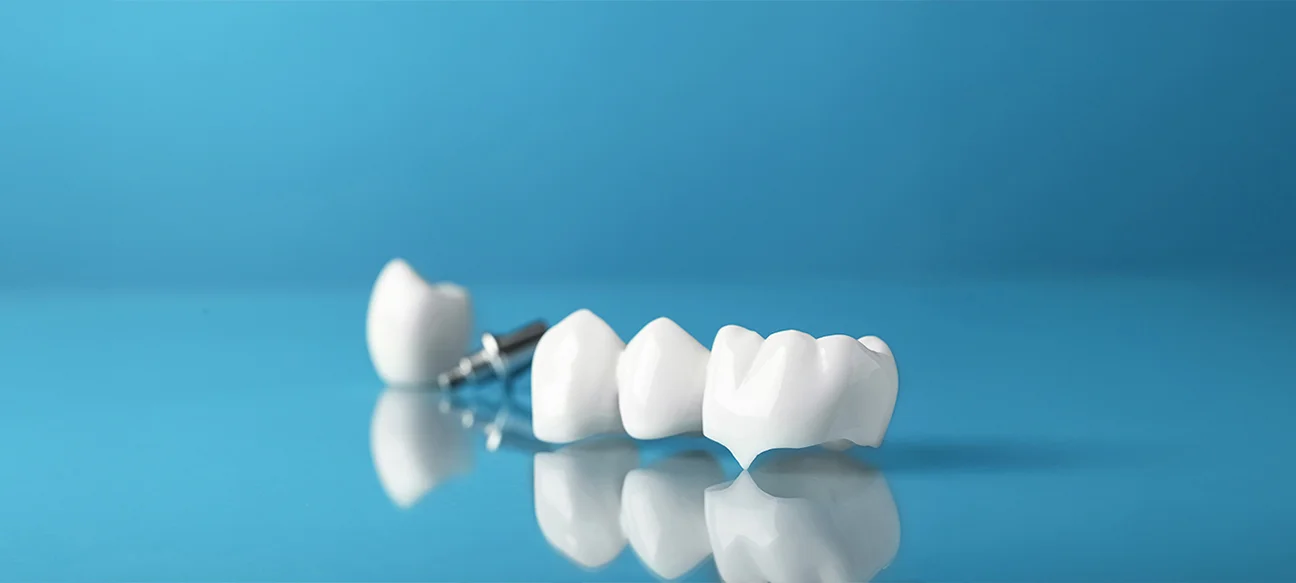
A dental crown is a restoration used to cover and protect a tooth that has lost strength because of damage, decay, or structural wear. By covering the visible part of the tooth, a crown helps reinforce the remaining structure while restoring its shape and function. Many patients considering dental crowns near you are looking for a solution that allows a compromised tooth to remain functional rather than requiring removal.
Crowns can be prepared from various materials, including porcelain, ceramic, metal alloys, or combinations of materials. The material chosen depends on the location of the tooth, functional demands, and aesthetic considerations. Because crowns can address both structural and cosmetic concerns, they remain a commonly recommended restorative treatment.
Why Do Teeth Sometimes Require Crowns?
A crown may be recommended when a tooth has lost a substantial amount of its natural structure. Deep decay, fractures, extensive wear, or previous dental work can weaken a tooth to the point where additional reinforcement becomes necessary. In these situations, a crown surrounds the remaining tooth structure and helps it withstand normal biting forces.
Crowns are also very frequently used after root canal treatment. Once the inner portion of a tooth has been treated, the remaining structure may become more vulnerable to fracture. A trusted dentist in Sacramento may recommend covering the tooth with a crown to provide additional protection while restoring everyday function.
In addition, crowns play an important role in restorative treatments including bridges and dental implants, where they serve as the visible replacement portion of a missing tooth.
Situations In Which A Dental Crown May Be Recommended
Not every damaged tooth requires a crown. However, when a filling is unlikely to provide adequate support because of the amount of missing tooth structure, a crown may be a more appropriate option. Teeth with large restorations, extensive cracks, advanced wear, or significant breakdown are frequently evaluated for crown treatment.
Patients researching dental crowns in Sacramento often learn that the decision depends on the amount of healthy tooth available, the location of the tooth, and the forces placed upon it during chewing.
How Crowns Help Preserve Tooth Function
Beyond restoring appearance, crowns help reinforce weakened teeth and improve their ability to withstand daily use. By covering vulnerable areas, they can help distribute biting forces across the tooth more evenly. This added support may reduce the likelihood of additional structural damage in appropriately selected cases.
Because every crown is custom fabricated, it is designed to fit comfortably within the patient’s bite while maintaining harmony with neighboring teeth.
How Are Dental Crowns Made And Placed?
The crown process begins with a clinical evaluation to determine whether the tooth is a suitable candidate for treatment. If a crown is recommended, damaged or weakened portions of the tooth are carefully extracted, and the remaining structure is shaped to fit the restoration.
After preparation, impressions or digital scans are obtained to capture the accurate dimensions of the tooth. These records are used to fabricate a custom crown that matches the planned shape and fit. A temporary restoration may be placed while the final crown is being produced.
At a subsequent appointment, the permanent crown is checked for fit, appearance, and bite alignment before being securely attached to the prepared tooth.
Understanding Crown Material Options
Different crown materials offer different advantages. Ceramic and porcelain restorations are commonly selected for visible teeth because they can closely resemble natural enamel. Other materials may be recommended for teeth exposed to heavier chewing forces where additional durability is desired.
The most suitable material depends on several factors, including tooth location, bite requirements, aesthetic goals, and overall oral health considerations.
Caring For A Dental Crown
Crowns do not require any special cleaning techniques, but maintaining good oral hygiene remains important. Brushing twice daily, flossing consistently, and attending routine dental visits can help protect both the crown and the surrounding tooth structure.
Certain habits, such as chewing ice, biting hard objects, or using teeth to open packaging, may place unnecessary stress on restorations and should be avoided whenever possible.
With routine maintenance and regular professional evaluations, crowns often remain serviceable for many years.
Why Patients Choose Jeff L. DiMariano, DDS
Understanding available treatment options can make restorative decisions easier. At Jeff L. DiMariano, DDS, crown consultations focus on evaluating the condition of the affected tooth, discussing available restorative approaches, and explaining each step of the process before treatment begins.
Patients from nearby communities including Arden Fair, Midtown, Arden-Arcade, Cal Expo, and Bushy Lake frequently seek evaluations when damaged teeth require additional structural support.
Frequently Asked Questions
Crowns are commonly recommended for teeth affected by extensive decay, fractures, large fillings, significant wear, or following root canal treatment.
Longevity varies based on oral hygiene habits, material selection, bite forces, and routine dental maintenance.
Modern crowns are designed to blend with nearby teeth in color, contour, and overall appearance whenever possible.
The process generally includes evaluation, tooth preparation, impressions or digital scans, fabrication of a custom restoration, and placement of the completed crown.
A dental crown is a custom cap placed over a damaged, decayed, or weakened tooth to restore its strength, shape, and appearance. It's commonly used after large fillings, root canals, or cracks that a filling alone can't fix.
With good oral hygiene, most crowns last 10 to 15 years, and many last considerably longer. Their lifespan depends largely on the material used and how well you care for the surrounding gum and tooth.
The tooth is numbed before any preparation, so the procedure itself is comfortable. Mild sensitivity is common for a few days afterward, particularly to temperature, but it typically settles down quickly.
Cost depends on the crown material and the specific tooth being treated, with back teeth that handle more bite force sometimes needing a stronger material. We give you an exact cost after evaluating the tooth.
Common options include porcelain, zirconia, porcelain fused to metal, and gold alloy. We recommend the material based on the tooth's location, how much bite force it handles, and your aesthetic preferences.
Traditionally, crowns take two visits: one to prepare the tooth and take an impression, and a second to place the finished crown. Some practices offer same-day crown technology, which we're happy to discuss if that fits your case.
It's uncommon, but a crown can loosen over time if the underlying cement weakens or if there's new decay beneath it. If yours ever feels loose, we recommend coming in promptly so we can recement or replace it.
Not really, you'll care for a crowned tooth just like your natural teeth. We do recommend avoiding very hard foods like ice or hard candy, which can chip even a strong crown over time.
A crown covers the entire tooth and is used mainly for structural protection, while a veneer covers just the front surface and is primarily cosmetic. Crowns are typically recommended when more of the tooth structure is compromised.
When too much of the natural tooth structure has been lost to decay or fracture, a filling alone wouldn't provide enough support, and a crown is needed to rebuild and protect the tooth long term.
Contact Us Today!
Dental crowns are frequently used to restore strength, function, as well as the appearance when a tooth has been compromised by damage or structural loss. If you would like to learn whether crown treatment may be appropriate for your situation, contact Jeff L. DiMariano, DDS to schedule an evaluation and discuss available restorative options with our team.