Dental Veneers in Sacramento, CA
Dental veneers are thin coverings fixed over the front-facing portion of teeth to improve cosmetic concerns affecting their appearance. Veneers are typically fabricated from porcelain or composite resin and are customized to match the characteristics of surrounding teeth. By modifying the visible surface, veneers can create a more uniform appearance while maintaining a natural look. If you are considering this treatment, a trusted dentist near you can help determine whether veneers are the right option for your smile goals.
This treatment is often considered when cosmetic concerns affect the appearance of teeth, including:
- Tooth discoloration
- Minor chips or enamel defects
- Uneven tooth contours
- Small spaces between teeth
Because veneers can address multiple aesthetic concerns at the same time, they are frequently included in cosmetic treatment plans designed to improve overall dental appearance.
Benefits of Dental Veneers
Many individuals choose veneers because they can address several cosmetic concerns without extensive dental treatment. Since veneers are designed specifically for each patient, treatment planning can focus on creating proportions, contours, and color characteristics that complement surrounding teeth.
Some potential advantages include:
Enhanced Appearance: Veneers can improve visible concerns involving color, shape, and surface irregularities.
Conservative Treatment: In many cases, only a limited amount of enamel modification is required before placement.
Resistance to Discoloration: Porcelain materials are less likely to absorb stains than natural enamel.
Efficient Treatment Timeline: Cosmetic improvements are often completed within a relatively short number of appointments.
Long-Term Durability: With routine maintenance and appropriate oral hygiene, veneers may remain functional for many years.
Who May Be A Candidate For Dental Veneers
Veneers may be suitable for individuals seeking cosmetic improvements involving tooth color, shape, spacing, or minor imperfections. They are often considered when whitening procedures cannot adequately address discoloration or when small aesthetic concerns affect the overall appearance of visible teeth.
Before recommending treatment, the dentist evaluates oral health, bite relationships, existing restorations, and the condition of the teeth. Individuals researching dental veneers in Sacramento, CA often discover that treatment recommendations are influenced by both cosmetic objectives and long-term oral health considerations.
Changes Veneers Can Make To Tooth Appearance
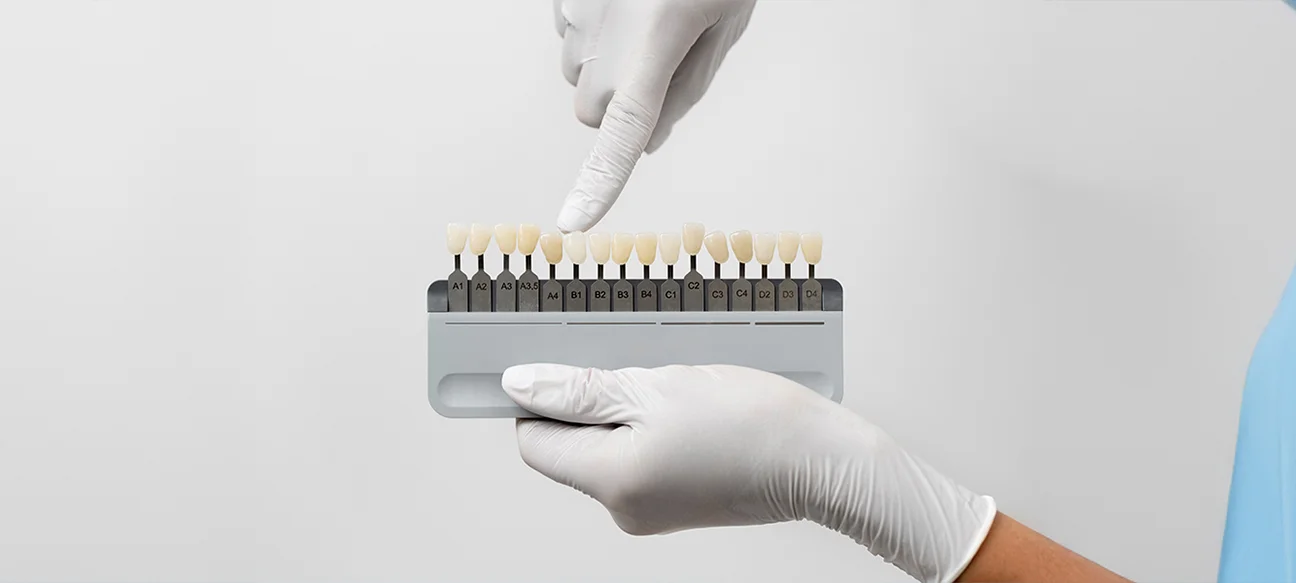
Because veneers are customized for each patient, treatment planning can address several aspects of tooth appearance. Adjustments may involve tooth proportions, contour irregularities, visible spacing, surface defects, or color variations.
Depending on the treatment plan, veneers may be placed on a single tooth or incorporated into a broader cosmetic approach involving multiple teeth. The objective is to create consistency across visible teeth while maintaining a natural look that complements facial features and existing dental structures.
Types of Dental Veneers
Our dental clinic in Sacramento offers two primary veneer options.
Porcelain Veneers: Porcelain restorations are fabricated outside the office using detailed impressions or digital scans. They are frequently selected because of their durability, stain resistance, and ability to replicate the appearance of natural enamel.
Composite Resin Veneers: Composite veneers are sculpted directly onto the teeth using tooth-colored materials. This approach may reduce treatment time and can often be completed with fewer appointments. While composite materials may not provide the same level of stain resistance as porcelain, they remain a popular cosmetic option.
Choosing Between Porcelain And Composite Veneers
The selection of veneer material depends on several factors, including cosmetic goals, oral habits, durability requirements, and the condition of the teeth. Porcelain and composite materials each offer advantages depending on the specific situation.
During a consultation, available options are reviewed, and recommendations are made based on the individual’s treatment objectives and oral health findings.
How to Care for Your Dental Veneers
Maintaining veneers involves many of the same habits recommended for natural teeth.
Daily Oral Hygiene: Consistent brushing and flossing help support healthy teeth and gums around veneers.
Avoid Excessive Pressure: Habits such as chewing ice, biting hard objects, or opening packages with teeth may place unnecessary stress on restorations.
Be Mindful of Staining Habits: Although porcelain materials resist staining, limiting tobacco products and dark-colored beverages may help preserve their appearance.
Attend Routine Dental Visits: Periodic examinations allow the Sacramento dentist to evaluate veneers and identify concerns before they become more significant.
Why Patients Choose Jeff L. DiMariano, DDS
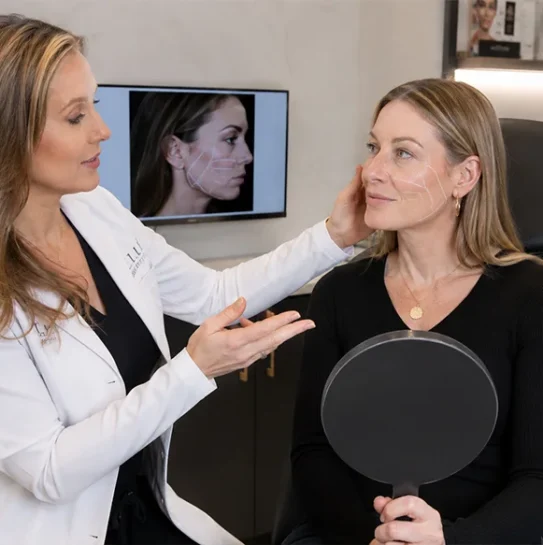
Understanding available cosmetic options can make treatment decisions easier. At Jeff L. DiMariano, DDS, veneer consultations focus on evaluating cosmetic concerns, discussing realistic treatment possibilities, and explaining the steps involved before treatment begins.
Patients from nearby communities such as Arden Fair, Midtown, Arden-Arcade, Cal Expo, and Bushy Lake often seek cosmetic consultations when considering improvements involving tooth color, contour, or spacing.
Frequently Asked Questions
Veneers are thin cosmetic coverings applied to the front surface of teeth to address concerns involving color, shape, spacing, or minor surface irregularities.
Depending on the level of the damage, veneers may be used to improve the appearance of small chips or worn areas.
Longevity depends on oral hygiene habits, maintenance, bite forces, and lifestyle factors.
Treatment typically involves limited modification of the tooth surface. Recommendations are based on preserving healthy tooth structure whenever possible.
Veneers are thin, custom-made shells, usually porcelain, bonded to the front surface of your teeth to improve their color, shape, size, or alignment. They're one of the most popular ways to refine a smile's overall appearance.
With good care, porcelain veneers commonly last 10 to 15 years, and many last even longer. Avoiding habits like teeth grinding or biting hard objects helps extend their lifespan.
Traditional veneers require removing a small amount of enamel to allow the veneer to bond properly, which is a permanent change to the tooth. We're always conservative with how much we remove, and minimal-prep options exist for the right candidates.
Cost depends on the number of veneers and the material chosen, since porcelain and composite veneers are priced differently. We provide a full cost breakdown once we know your specific goals.
Because a thin layer of enamel is typically removed to fit the veneer, the process is considered permanent in the sense that it can't be fully reversed. The veneers themselves, however, will eventually need replacement after years of wear.
Yes, veneers are commonly used to visually close small to moderate gaps by widening the front surface of the teeth on either side. For larger gaps, orthodontic treatment may be a better long-term solution.
Porcelain veneers resist staining quite well, much better than natural enamel. Composite veneers are more porous and can pick up some staining over time, especially with coffee, tea, or red wine.
It varies widely based on goals. Some patients get just two veneers on their most visible front teeth, while others choose six to eight for a fuller smile makeover. We'll recommend what achieves your goal without overdoing it.
The tooth preparation is done under local anesthesia, so discomfort during the procedure is minimal. Some mild sensitivity afterward is normal but typically resolves within a few days.
Porcelain veneers are custom-made in a lab, more durable, and more stain-resistant, but they take a couple of visits and cost more. Composite veneers are applied directly in one visit, cost less, but generally don't last as long.
Contact Us Today!
Dental veneers may be considered when cosmetic concerns affect the appearance of teeth and a more uniform appearance is desired. If you would like to explore available treatment options, contact Jeff L. DiMariano, DDS to schedule a consultation and discuss whether veneers may be appropriate for your situation.